Affordable Camping Gear for Beginners: Smart Picks
Editorial Team· D. Dvorak Sep 8, 202615 min read 2,943 wordsLast Updated: Sep 7, 2026
Starting a camping hobby doesn't require a second mortgage. Affordable camping gear for beginners is more accessible than most first-timers realize when you focus on essentials rather than gadgetry. The most common mistake isn't buying cheap gear, it's buying the wrong gear first.
Smart spending means prioritizing items that keep you warm, dry, and comfortable while skipping extras that collect dust. Below, we'll show you how to build a starter kit without wasting money, including rental options and second-hand sources most guides ignore.
Your First Camping Gear Checklist for Beginners: What to Buy (and What to Skip)
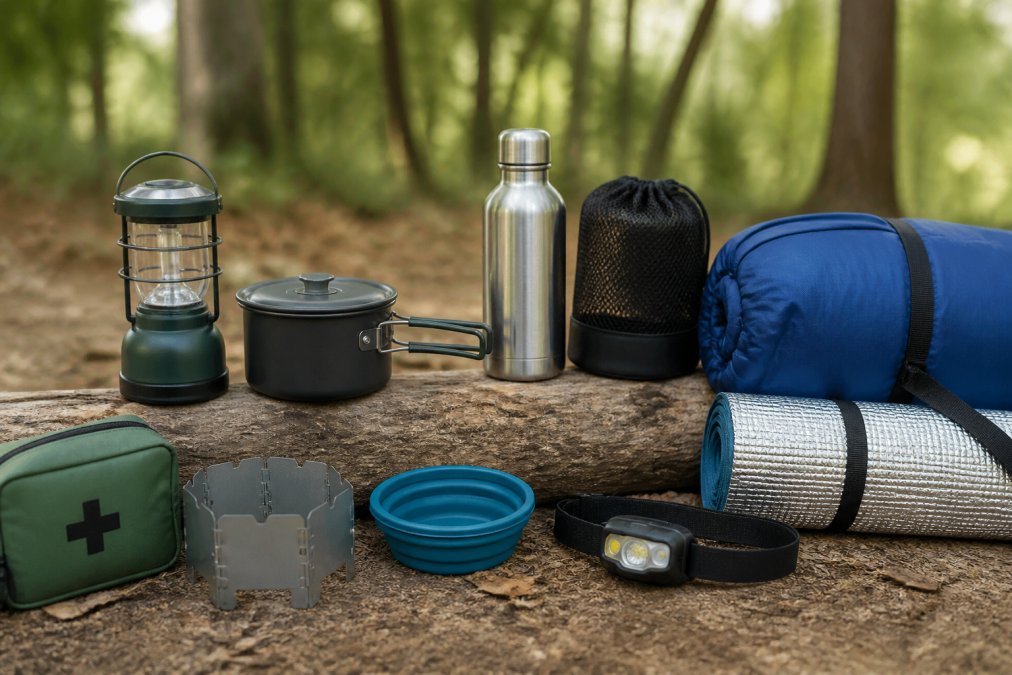
A camping gear checklist for beginners should focus on the non-negotiables: shelter, sleep, food, light, and safety. Everything else is optional on your first trip.
Skip these on your first trip: camp tables, elaborate cookware sets, portable showers, and decorative lighting. They add weight, cost, and setup time without improving the core camping experience.
Prioritize these instead:
- A reliable tent with a rainfly and ground cloth
- Sleeping bags rated for the season and sleeping pads
- A simple camp stove and one pot
- Headlamps and a lantern
- A first aid kit and emergency whistle
This approach keeps your first investment focused and manageable.
The Big Three: Tent, Sleeping Bag, and Sleeping Pad
Your tent, sleeping bag, and sleeping pad form the foundation of every camping trip. These three items determine whether you sleep well or spend the night shivering on hard ground.
Tent Selection: Capacity Math and Season Ratings
Tent capacity ratings assume sleeping bags packed tightly with no room for gear. A "4-person" tent typically fits two adults and two small children, or two adults plus gear. For a family of four, a 6-person tent is the practical minimum.
A 3-season tent suits spring, summer, and fall with mesh panels and a rainfly for moderate rain. A 4-season tent adds heavier poles and solid panels for snow and wind but runs hotter and costs more. Most beginners should buy a 3-season tent.
The rainfly is the most important feature to inspect. A full-coverage fly extends to the ground and protects against wind-driven rain; a partial fly leaves lower walls exposed to splash-through in heavy storms. The extra $30-$50 prevents waking up in a puddle.
Budget for a ground cloth or footprint. A dedicated footprint costs $20-$40 and matches the floor exactly, but a $5 tarp cut to size works just as well, protecting the floor from punctures and extending the tent's life.
Sleeping Bag Temperature Ratings: Comfort vs. Survival
Choosing a sleeping bag comes down to temperature rating, insulation type, and fit. The printed rating is an EN/ISO survival limit, not a comfort rating. The comfort rating, typically 10-15 degrees Fahrenheit higher, is the number you should shop by (en.wikipedia.org).
Synthetic fill resists moisture and costs less; down is lighter and more packable but fails when wet.
Fit matters more than most realize. A mummy bag tapers toward the feet, reducing dead air space your body must heat; a rectangular bag leaves cold pockets. Side sleepers should look for extra girth in the shoulder and hip area. For kids, buy a bag sized for their height, a properly sized bag is dramatically warmer.
Sleeping Pads: R-Value and Insulation Mechanics
Sleeping pads are the most overlooked piece of the system, yet they provide more insulation than the sleeping bag in most setups. The ground conducts heat away faster than air, and a bag's bottom insulation compresses under your weight, losing most of its value.
The R-value measures a pad's resistance to heat flow. For three-season camping, aim for at least 3.0; for shoulder-season lows below freezing, look for 4.0 or higher.
Air pads inflate for thickness and insulation, packing small but risking punctures. Closed-cell foam pads never puncture and cost $20-$40 but offer R-values around 2.0 and less cushioning. A common beginner pattern is starting with foam, then upgrading to air after the first trip.
Couples can buy two pads and a strap system to eliminate the cold gap between them, costing less than a double-wide pad and allowing each person to choose their own firmness.
The Budget Allocation Framework
Experienced campers often allocate roughly 40% of the Big Three budget to the tent, 35% to the sleeping bag, and 25% to the pad. On a $300 budget, that's $120 for the tent, $105 for the bag, and $75 for the pad, a realistic split for entry-level gear.
Buying the Big Three new is worth the warranty protection alone. Tents develop seam issues, bags lose loft, and pads develop leaks, all covered under manufacturer warranties but not second-hand sales. Accessories like cookware and lighting are safer used purchases.
Budget-Friendly Camp Kitchen and Lighting Essentials
The camp kitchen doesn't require a full cookware set. A single stove, one pot, and a lightweight skillet handle most meals for a family of four. Hardsided coolers can provide durable storage with excellent ice retention for multi-day trips, though soft-sided options cost less for weekends.
Beginners often overspend on bulky lanterns. A quality headlamp serves double duty for cooking, reading, and nighttime trips, leaving your hands free. One headlamp per person plus a single lantern covers nearly every lighting need.
Comfort Gear and Camp Furniture That Won't Break the Bank
Camp chairs and hammocks transform a campsite from functional to comfortable without premium furniture. Some hammock chairs provide ergonomic seating that packs down small and attaches between trees with a quick-clip system.
For car camping, weight-to-price ratio matters more than absolute weight. A heavier, sturdier chair that costs less serves a family better than an ultralight option designed for backpackers.
Pro TipFor families, skip individual camp chairs and buy one larger chair that can hold two people. Kids under ten rarely stay in their own seat anyway, and a double-wide option saves money and packing space.
Safety, First Aid, and Clothing Layering on a Dime
A first aid kit is non-negotiable, but you don't need a pre-assembled kit with dozens of unused items. Build your own with bandages, antiseptic wipes, pain relievers, blister treatment, and personal medications. Add an emergency whistle to each person's kit.
Clothing layering is the most cost-effective way to stay comfortable across changing temperatures. A moisture-wicking base layer pulls sweat away, an insulating mid-layer traps heat, and a waterproof outer shell blocks wind and rain. This beats one heavy jacket because you can adjust each layer as conditions change.
A multi-tool and fire starter round out the essentials. These items cost little but provide outsized value for repairing gear, preparing food, or starting an emergency fire.
Smart Ways to Buy Affordable Camping Gear and Avoid Waste
The smartest way to buy affordable camping gear is to plan purchases around your actual camping style, not the style you imagine having. Car camping with young kids requires different gear than solo backpacking.
Leave No Trace's camping guidelines emphasize planning ahead and preparing, which applies directly to gear purchases. Before buying anything, ask whether it serves your planned trips for the coming season. If you're only camping in established campgrounds with your vehicle nearby, pack weight matters far less than setup ease and comfort.
Consider these strategies to stretch your budget:
- Buy the Big Three new for warranty protection, then source accessories used
- Rent gear for a first trip to test what you actually need
- Check end-of-season sales for steep discounts on tents and sleeping bags
- Choose versatile items that work across multiple trip types
Climate-specific budgeting also matters. Desert campers need sun protection and extra water capacity, while mountain campers should invest more in insulation and rain gear.
Watch OutThe biggest waste in camping gear isn't buying cheap items that break, it's buying expensive items that never leave the garage. Resist the urge to buy a full kit before your first trip. Start minimal, rent what you're missing, and build your collection based on what you actually use.
The National Park Service's camping equipment guidance recommends starting with basic gear and learning your preferences before investing heavily. That advice holds true regardless of whether you're camping in a national park or a private campground.
Conclusion: Your First Trip Starts Here
Building your first camping kit doesn't require perfect gear or a massive budget. Start with the essentials, rent or borrow what you're missing, and let your first trips teach you what your family actually needs. The Camping Gear Guy offers a fast, user-friendly shopping experience with affordable prices on quality gear, plus a customer-oriented approach that helps beginners find the right equipment. Shop our selection of tents, sleeping bags, and camp essentials, and get started with The Camping Gear Guy for your first trip this season.
Frequently Asked Questions
What is the essential basic camping gear for a beginner?
Start with the 'big three': a tent, a sleeping bag, and a sleeping pad. These provide shelter, warmth, and comfort, and they are where you should allocate most of your budget. From there, build out a camping gear checklist for beginners with a camp stove, a basic cookware set, a headlamp, a first aid kit, and a camp chair. You can add items like a multi-tool or portable power later as you figure out your personal camping style.
How can I save money on camping gear as a beginner?
Employ smart camping on a budget tips: rent large items like tents from outdoor gear rental programs, borrow from friends, and check used gear marketplaces online or at local consignment shops. Buy only the essentials new, focusing on items that affect safety and hygiene, like a first aid kit or a water purification system. Also, consider DIY upcycling gear hacks, such as using a tarp for a ground cloth instead of buying a tent-specific footprint.
What is the 200 rule for camping?
The '200 rule' is a simple guideline for buying a sleeping bag. It suggests that the temperature rating of the bag, when added to the temperature of your sleeping pad's R-value, should equal 200 for comfortable sleep. For example, if you have a sleeping pad with an R-value of 5, you would look for a sleeping bag rated to 15 degrees Fahrenheit. This rule helps beginners understand how a sleeping bag and pad work together for insulation.
What are the 7 C's of camping?
The 7 C's are a framework for planning a successful and safe trip. They are: Companions, Clothing, Cooking, Cover (shelter), Cutting tools, Combustion (fire starters), and Cordage. Thinking through these categories helps you pack a comprehensive kit. For instance, 'Cover' includes your tent and rainfly, while 'Clothing' reminds you to pack a moisture-wicking base layer and a warm layer. It is a great way to ensure you have not forgotten a critical piece of gear.
How do I choose a sleeping bag for camping?
When you learn how to choose a sleeping bag for camping, focus on three things: temperature rating, insulation type, and shape. Match the bag's temperature rating to the coldest conditions you expect. For affordability, synthetic insulation is a great choice because it costs less than down and still insulates when wet, though it is bulkier. For car camping, a roomy rectangular or semi-rectangular bag is comfortable; for backpacking, choose a mummy bag to save weight and packability.